


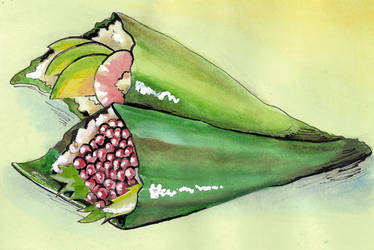



Tom-Winter-art
beefballsmcguffin
footpetaljones

SAFEEZSTUDIO

Drawmanex

Wonderful-Potato
Anafear

eunjou

BloodWillow

BradenTrivett

king32phat
Kahmical

SnailorderBride19

VanessaLemen

Maaot

WisesnailArt

Saetje

arisuonpaa

Ralu77

the-Tooninator
Long-Pham

RamonamacLean

TheSketchClub

SweetCuteAndSexy

Sexy-Females

Pretty-Sexy-and-Cute

AllSexyArt
Collection
Favourites




![[Day 7] Aureole](https://images-wixmp-ed30a86b8c4ca887773594c2.wixmp.com/f/18b8ab8c-9899-414a-a2a0-a03fa98f5068/dakfvbs-2205e7ed-1a89-4718-bb63-49ed113446f5.jpg/v1/fit/w_600,h_1109,q_70,strp/_day_7__aureole_by_lithekay_dakfvbs-300w-2x.jpg?token=eyJ0eXAiOiJKV1QiLCJhbGciOiJIUzI1NiJ9.eyJzdWIiOiJ1cm46YXBwOjdlMGQxODg5ODIyNjQzNzNhNWYwZDQxNWVhMGQyNmUwIiwiaXNzIjoidXJuOmFwcDo3ZTBkMTg4OTgyMjY0MzczYTVmMGQ0MTVlYTBkMjZlMCIsIm9iaiI6W1t7ImhlaWdodCI6Ijw9MTEwOSIsInBhdGgiOiJcL2ZcLzE4YjhhYjhjLTk4OTktNDE0YS1hMmEwLWEwM2ZhOThmNTA2OFwvZGFrZnZicy0yMjA1ZTdlZC0xYTg5LTQ3MTgtYmI2My00OWVkMTEzNDQ2ZjUuanBnIiwid2lkdGgiOiI8PTEwMjQifV1dLCJhdWQiOlsidXJuOnNlcnZpY2U6aW1hZ2Uub3BlcmF0aW9ucyJdfQ.NEwTi79VOYJ12ewJ0MVf1gmxZ6CI8apMS7HXZ8v52UI)
![[Day 7] Aureole](https://images-wixmp-ed30a86b8c4ca887773594c2.wixmp.com/f/18b8ab8c-9899-414a-a2a0-a03fa98f5068/dakfvbs-2205e7ed-1a89-4718-bb63-49ed113446f5.jpg/v1/fit/w_300,h_900,q_70,strp/_day_7__aureole_by_lithekay_dakfvbs-300w.jpg?token=eyJ0eXAiOiJKV1QiLCJhbGciOiJIUzI1NiJ9.eyJzdWIiOiJ1cm46YXBwOjdlMGQxODg5ODIyNjQzNzNhNWYwZDQxNWVhMGQyNmUwIiwiaXNzIjoidXJuOmFwcDo3ZTBkMTg4OTgyMjY0MzczYTVmMGQ0MTVlYTBkMjZlMCIsIm9iaiI6W1t7ImhlaWdodCI6Ijw9MTEwOSIsInBhdGgiOiJcL2ZcLzE4YjhhYjhjLTk4OTktNDE0YS1hMmEwLWEwM2ZhOThmNTA2OFwvZGFrZnZicy0yMjA1ZTdlZC0xYTg5LTQ3MTgtYmI2My00OWVkMTEzNDQ2ZjUuanBnIiwid2lkdGgiOiI8PTEwMjQifV1dLCJhdWQiOlsidXJuOnNlcnZpY2U6aW1hZ2Uub3BlcmF0aW9ucyJdfQ.NEwTi79VOYJ12ewJ0MVf1gmxZ6CI8apMS7HXZ8v52UI)






















Artist // Professional // Film & Animation
- Mar 22
- Canada
- Deviant for 16 years
- vanerdsa.tumblr.com
- They / Them
My Bio
Professional Storyboard Artist and Painter. Premed Student.
Favourite Visual Artist
Art Spiegelman, Robert Rauschenberg, Hayao Miyazaki, Naoki Urasawa
Favourite TV Shows
Battlestar Galactica, The Wire, The Office, Game of Thrones
Favourite Writers
Nicholas Mirzoeff
Tools of the Trade
Cintiq, pencil, watercolours, copics, ink
Other Interests
Starcraft, Community Organising, Good drinks and food with good conversationalists, writing, storytelling
I have some new abstract paintings in my gallery! I guess this is my yearly dA update. It's kind of cool that it's all still here, and that I've just past my 10 year anniversary on the site.#photography #blackandwhite #selfportrait #update #painting
Join the community to add your comment. Already a deviant? Log In
I've started doing two series of abstract paintings. I know it's a departure from my usual comics and cartooning, but I hope you enjoy them!
Join the community to add your comment. Already a deviant? Log In
Not So 9 to 5: Day 12
0 min read
The Inaugural Year of an Independent Comic Artist
Today's Comics, Sketches and Ideas
http://www.deviantart.com/deviation/159478809/
I finished painting the a new page of Anatta, finally. Wei has finished his grant applications, his Zuda applications and in 20 days his pitch packages will be done as well. Making this comic without my drawing partner is a little difficult, but we'll get back into it.
On Fridays and Saturdays (probably Sunday as well) I will just post sketches and comics, because I'd rather encourage myself to draw during these times. I will save the writing for the weekdays. Being out and about really helps to get my mind g
Join the community to add your comment. Already a deviant? Log In
Profile Comments 308
Join the community to add your comment. Already a deviant? Log In

Happy Birthday!
Happy Birthday!

Thanks for the favorite!^^

Happy Birthday!

Hey! You probably don't remember me, but I was one of the kids that attended your Manga drawing art class in Richmond, cultural canter or whatever ~  That was way back in ... 2012 I think? well anyway, I'm moving back to Richmond soon to study, and I was wondering, if you we could maybe meet up some day, cause I've got a lot of questions about comics, and copyright (I remember you were really hyped about that topic) and stuff.... (I'm not new to deviantart, I just never do anything on it except for submitting art, so I don't really know how things work~~) wonder how I can contact you....
well anyway... best wishes and the best of luck with everything,
yours truly,
Alisha
That was way back in ... 2012 I think? well anyway, I'm moving back to Richmond soon to study, and I was wondering, if you we could maybe meet up some day, cause I've got a lot of questions about comics, and copyright (I remember you were really hyped about that topic) and stuff.... (I'm not new to deviantart, I just never do anything on it except for submitting art, so I don't really know how things work~~) wonder how I can contact you....well anyway... best wishes and the best of luck with everything,
yours truly,
Alisha
Wow, I haven't been on dA in so long! If you are still interested in a chat, message me and I can give you some contact information that I check more often 
that would be great. I don't know how to private message on DeviantArt ( I am not on DA a lot myself)
but you can find me under Alisha Steinberger on FB
but you can find me under Alisha Steinberger on FB